Adolescence · The teenage months

Your dog isn't undoing their training. They're a teenager.

Somewhere between six and eighteen months, the sweet, biddable puppy seems to forget everything — and question all of it. It's not defiance, and it's not your fault. It's a brain rewiring in real time.

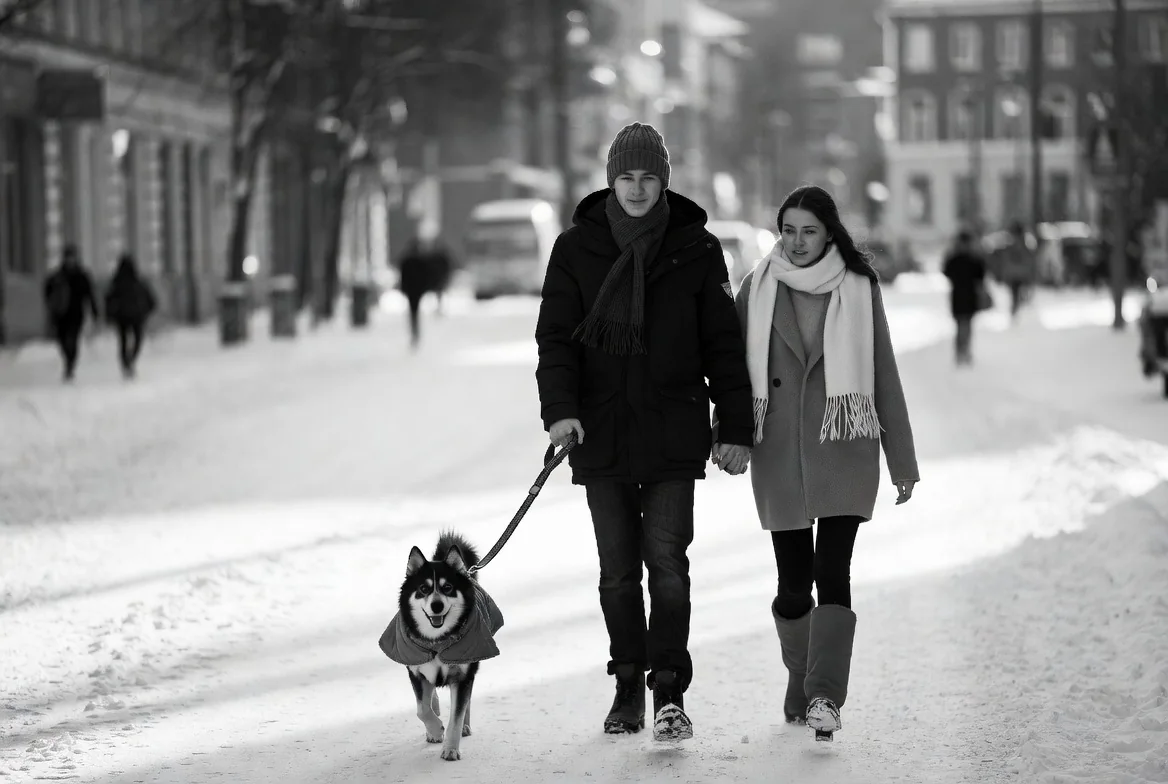
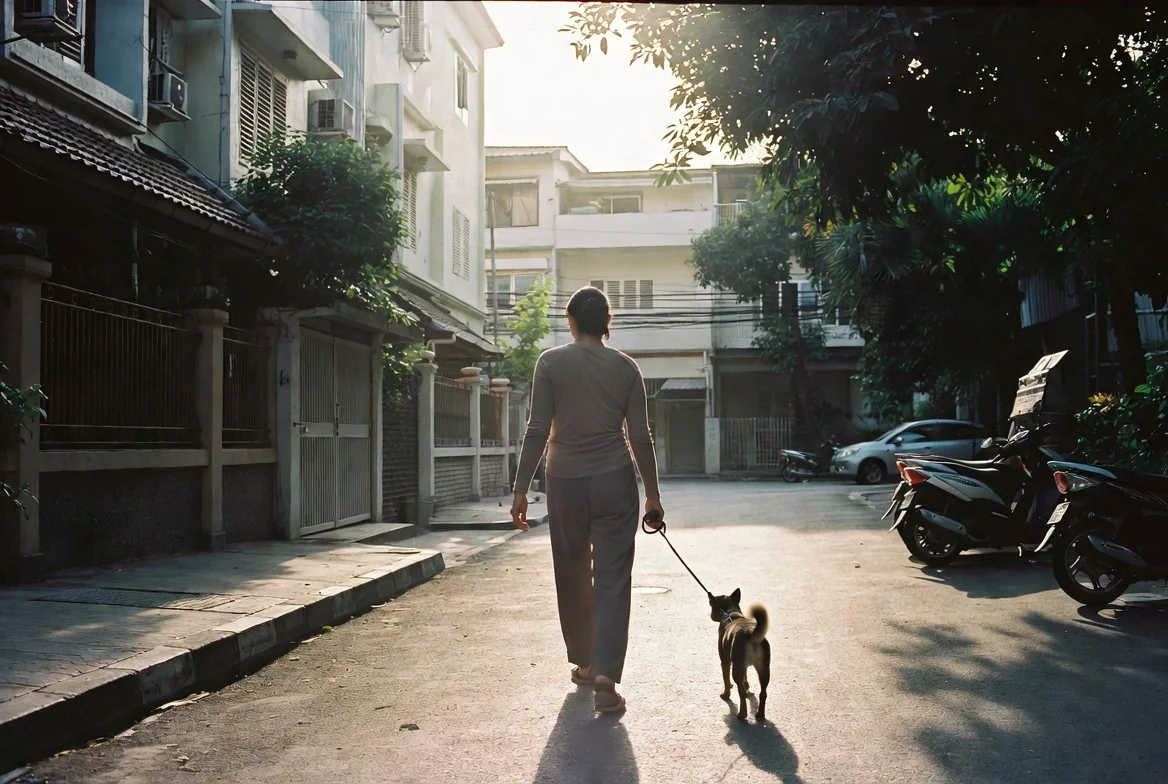
A young dog walking beside their person down a quiet street in warm morning light

What's happening

The brain is rebuilding while the body races ahead.

The parts that handle impulse control and coming back when called are still under construction, while energy, curiosity, and hormones surge ahead of them.

A dog who nailed every cue at five months can, at ten, stare straight through you — not because the training's gone, but because the wiring that reaches it is temporarily overloaded.

The brain is rebuilding while the body races ahead.

What you might notice

Selective deafness, big feelings, and old fears coming back.

Recall gets patchy. Boundaries get tested. A second fear window can open, so things they were fine with — the vacuum, other dogs — suddenly feel worrying again.

Energy spikes, and so does the need to chew, sniff, and move. None of it means you've done something wrong. It means they're growing up, loudly.

Selective deafness, big feelings, and old fears coming back.

A real example

This is what one morning looks like.

Not advice in general — one thing to notice about your dog today, and one thing to try.

An example for an adolescent dog.

Introduce something new, gently

This week, around ten months old, a new sound or scent could feel big even if it didn't before. Find a quiet spot and introduce something novel at a distance, like a new type of treat bag or an unfamiliar plastic bottle. Let them choose to approach and investigate at their own pace. If they remain unsure, put the item away.


Try this today

Today, show them a new object from a distance in a quiet corner of a room.

The questions of the teenage months

When does dog adolescence start and end?
Roughly six to eighteen months; smaller breeds move through it faster, larger breeds slower.
Why is my trained dog suddenly ignoring me?
The cues aren't gone; the impulse-control wiring that reaches them is still maturing. Keep asking gently and rewarding the wins — it comes back.
Is it normal for old fears to return?
Yes; a second fear period is common. Keep experiences calm and low-pressure, and don't force them toward what worries them.
Should I stop training during this phase?
No. Keep it short, kind, and consistent. Adolescence is when patience pays off most.
Will my dog go back to normal?
Yes, and often into a steadier adult than the puppy you started with. This is a phase, not a personality.
And you grow together

Adolescence is one chapter of a longer walk.

Puppy, adolescent, adult, senior — your dog keeps becoming someone slightly new, and the questions change with them. Amble changes too: the cards you get in the teenage months are not the ones you got at four months, or the ones waiting for you at ten years.

Adolescence is one chapter of a longer walk.

Start with your dog.

Takes about a minute. Free to start.

Step 1 of 7